[ PRODUCT_ID: ARA-290 ]
ARA-290: The Erythropoietin Receptor Signaling Breakthrough
ARA-290 is a targeted peptide signaling molecule engineered to interact with the Innate Repair Receptor. By selectively modulating cellular responses to injury and stress, it facilitates systemic tissue protection and reduces chronic neuro-inflammation without affecting erythropoiesis.

ARA-290 (Cibinetide)
ARA-290 (Cibinetide) is often described as a “nerve repair peptide,” but that label is too small for what makes it biologically compelling. In the Targeted Peptide Systems framework, ARA-290 is better understood as a damage-response signaling peptide—a compound designed not to stimulate indiscriminate growth or blunt symptoms alone, but to help the body shift from an injury-maintenance state into a repair-permissive state.
That distinction matters because chronic pain, neuropathy, and tissue dysfunction are rarely just problems of structural damage. Very often, they are problems of persistent inflammatory signaling, maladaptive immune activation, and failed resolution. A tissue can remain “injured” long after the original insult has passed—not because the damage is still actively occurring, but because the biological environment never properly exits the danger phase. ARA-290 becomes relevant precisely because it appears to act at the level of that transition.
ARA-290 is an 11-amino-acid peptide derived from erythropoietin (EPO), but its significance lies in what it does not do. Unlike full EPO, ARA-290 was engineered to preserve the tissue-protective and anti-inflammatory signaling of EPO while avoiding the erythropoietic effects associated with increased red blood cell production and hematocrit. In systems terms, that means it is not simply a derivative of a blood-building hormone. It is a peptide designed to isolate the repair message without the hematologic burden.
What makes ARA-290 especially interesting is its proposed interaction with what has been described as the innate repair receptor (IRR)—a heteromeric receptor complex involving the erythropoietin receptor and the β-common receptor (CD131). This receptor system appears to be upregulated in states of tissue stress, inflammation, or injury, and its activation has been associated with cytoprotection, anti-inflammatory signaling, and resolution-oriented repair biology. That matters because it suggests ARA-290 is not simply “reducing pain.” It may be influencing the quality of the biological environment in which pain and dysfunction are being sustained.
Within the Targeted Peptide Systems framework, this places ARA-290 in a highly valuable category: compounds that support repair intelligence rather than brute-force suppression. The body does not truly recover because symptoms are muted. It recovers when the tissue stops behaving like it is trapped in a constant state of alarm. ARA-290 appears compelling because it may help facilitate that shift.
This is why it has drawn so much attention in the context of small fiber neuropathy and neuropathic pain. These conditions are not always just “pain problems.” They often involve a deeper failure of nerve repair, inflammatory resolution, and microenvironmental recovery. Human clinical work in sarcoidosis-associated small fiber neuropathy and painful diabetic neuropathy has shown that ARA-290 was associated with improvements in neuropathic symptoms, autonomic symptom burden, and markers consistent with small nerve fiber regeneration, including changes in corneal nerve fiber density in some patients. That is an important systems signal, because it suggests the peptide may be doing more than masking pain perception. It may be helping improve the repair behavior of injured nerve tissue itself.
That is also where ARA-290 becomes broader than many people realize. A peptide that appears to support neuroimmune resolution, endothelial protection, and microenvironmental repair does not belong only in a pain conversation. It belongs in a larger discussion about how the body exits injury states across systems. This aligns directly with one of the core truths of Targeted Peptide Systems: healing is rarely about pushing harder. It is usually about removing the biological reasons the system has failed to stop defending itself.
At the same time, ARA-290 deserves a disciplined framing. It is promising, mechanistically elegant, and supported by meaningful human data in select populations—but it is not a universal repair solution. Its strongest relevance remains in investigational and translational settings, especially where chronic inflammatory signaling and nerve dysfunction overlap. That makes it highly interesting, but still worthy of scientific restraint.
Within Targeted Peptide Systems, ARA-290 earns its place because it illustrates a foundational principle of regenerative biology: the body does not heal simply because damage is present. It heals when the internal signal finally changes from “survive” to “repair.” ARA-290 appears meaningful because it may help deliver that signal.
And in chronic tissue dysfunction, that shift can matter more than almost anything else.
Research Citation
Heij L, et al. Safety and Efficacy of ARA 290 in Sarcoidosis Patients with Symptoms of Small Fiber Neuropathy: A Randomized, Double-Blind Pilot Study. Molecular Medicine. 2012. Human study demonstrating improvement in neuropathic and autonomic symptoms with ARA-290.
Brines M, et al. ARA 290, a Nonerythropoietic Peptide Engineered from Erythropoietin, Improves Metabolic Control and Neuropathic Symptoms in Patients with Type 2 Diabetes. Molecular Medicine. 2015. Human clinical trial showing improvement in painful neuropathy symptoms and metabolic markers.
[ SCIENTIFIC_PROTOCOL_03 // ARA-290 ]
Pharmacokinetics & Receptor Affinity
[ STATUS: VALIDATED ]
IRR Binding Affinity
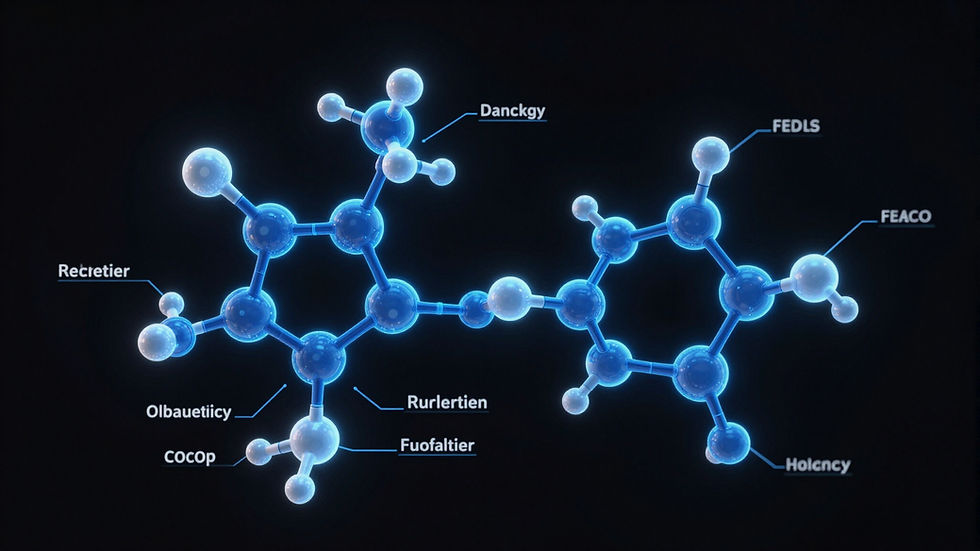
ARA-290 exhibits high selectivity for the Innate Repair Receptor (IRR), a heterocomplex composed of EPO receptor and CD131 subunits.
Signaling Modulation

The interaction triggers a downstream signaling cascade that inhibits pro-inflammatory cytokines while promoting tissue repair and homeostasis.
Half-Life & Bio-Sync

Engineered for systemic stability, ARA-290 protocols optimize the biological rhythm of receptor saturation and cellular adaptation phases.

Adaptive System Benefits//ARA-290
ARA-290 acts as a precision signaling agent, interfacing with the Innate Repair Receptor to stabilize biological frameworks and modulate neuro-inflammatory pathways.
Neuro-Repair Protocol
Activation of the Innate Repair Receptor (IRR) to mitigate small-fiber neuropathy and restore neural integrity.
Innate Anti-Inflammatory Cascade
Selective interaction with macrophages to suppress pro-inflammatory cytokine secretion (TNF, IL-6).
Tissue Ischemia Shielding
Systemic protection of vital organs against ischemia-reperfusion injury through metabolic signaling.
Immune Homeostasis
Stabilization of autoimmune signaling without broad immunosuppression, maintaining systemic defense.
Metabolic Resilience
Enhanced glucose utilization and cellular adaptation within damaged or stressed biological regions.
[ USAGE_PROTOCOL ]
Protocol Implementation
ARA-290 protocols prioritize the activation of the Innate Repair Receptor (IRR) system. Proper implementation requires a structured approach to molecular signaling synchronization, ensuring baseline saturation before advancing to adaptive maintenance phases.
- Phase 1: Initial System Saturation — Targeted administration for baseline IRR engagement and receptor field stabilization.
- Phase 2: Signal Stabilization — Maintaining steady-state molecular concentrations to influence systemic regenerative pathways.
- Phase 3: Adaptive Maintenance — Long-term protocols designed for tissue resilience and continuous biological intelligence feedback.
SEQ_SYNC_vARA // ANALYTICAL_PARAMETER_SET_094
[ RELATED_SYNC // REPOSITORY_ACCESS ]
Explore Related Resources

DATASET // LL-37_REPORT
LL-37
An antimicrobial peptide with potent immunomodulatory properties, facilitating rapid tissue repair and systemic immune response optimization within complex biological frameworks.
For LL-37: “Synergistic innate immune modulation and barrier defense alongside ARA-290’s IRR signaling.”

PROTOCOL // TB-500_SYNC
TB-500
A specialized synthetic signaling sequence designed to promote endothelial cell differentiation, angiogenesis, and multi-systemic tissue repair synchronization protocols.
For TB-500: “Complementary tissue repair and cytoskeletal support layered on ARA-290’s neuro‑repair axis.”

DATA // BPC-157_REGEN
BPC 157
A stable gastric pentadecapeptide framework designed for superior cytoprotection, advanced structural tissue integration, and systemic healing optimization across biological systems.
For BPC 157: “Gastro‑protective and microvascular regeneration pathways that parallel ARA-290’s ischemia shielding.”