SYSTEMS_PROTOCOL_v1.0
Build Systems.
Not Stacks.
Download the Peptide Systems Quick-Reference Atlas and understand how peptide signaling actually works.

Why Most Peptide Approaches Fail

System Readiness
Single compounds without system readiness lead to inconsistent results and plateaued progress.

Coordinated Signaling
Lack of coordinated signaling limits outcomes by failing to address the broader biological network.

Biomarker Awareness
Generic protocols ignore biomarkers and cycle timing, missing the critical window for receptor response.

System Optimization
System-level optimization is the missing multiplier that transforms basic results into peak performance.
[ DATABASE_QUERY: ATLAS_CONTENTS ]
Inside the Atlas
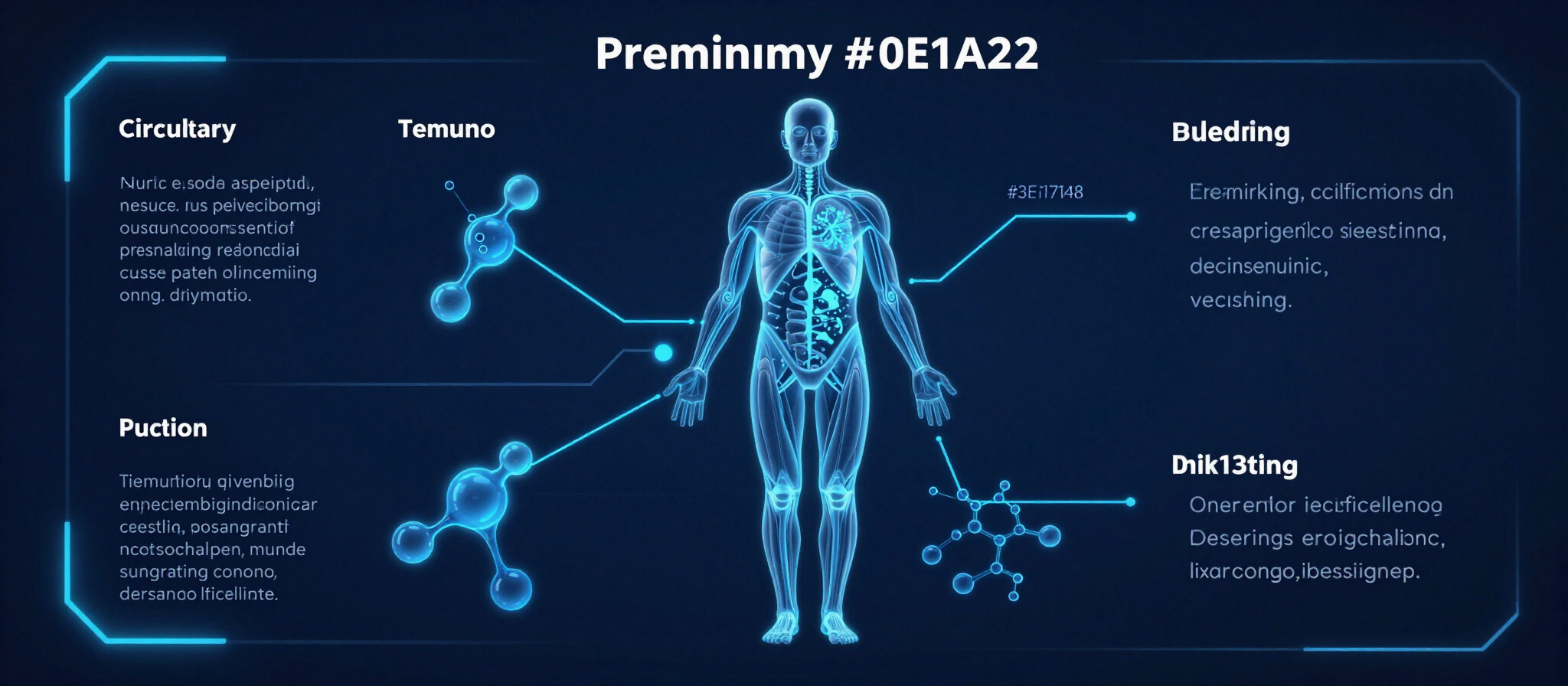
Peptide System Categories
Deep dives into regenerative, metabolic, neuro, and immune pathways with specific signaling sequences.
System Readiness Framework
The critical diagnostic phase. Ensure your biological baseline can support high-level signaling before starting.
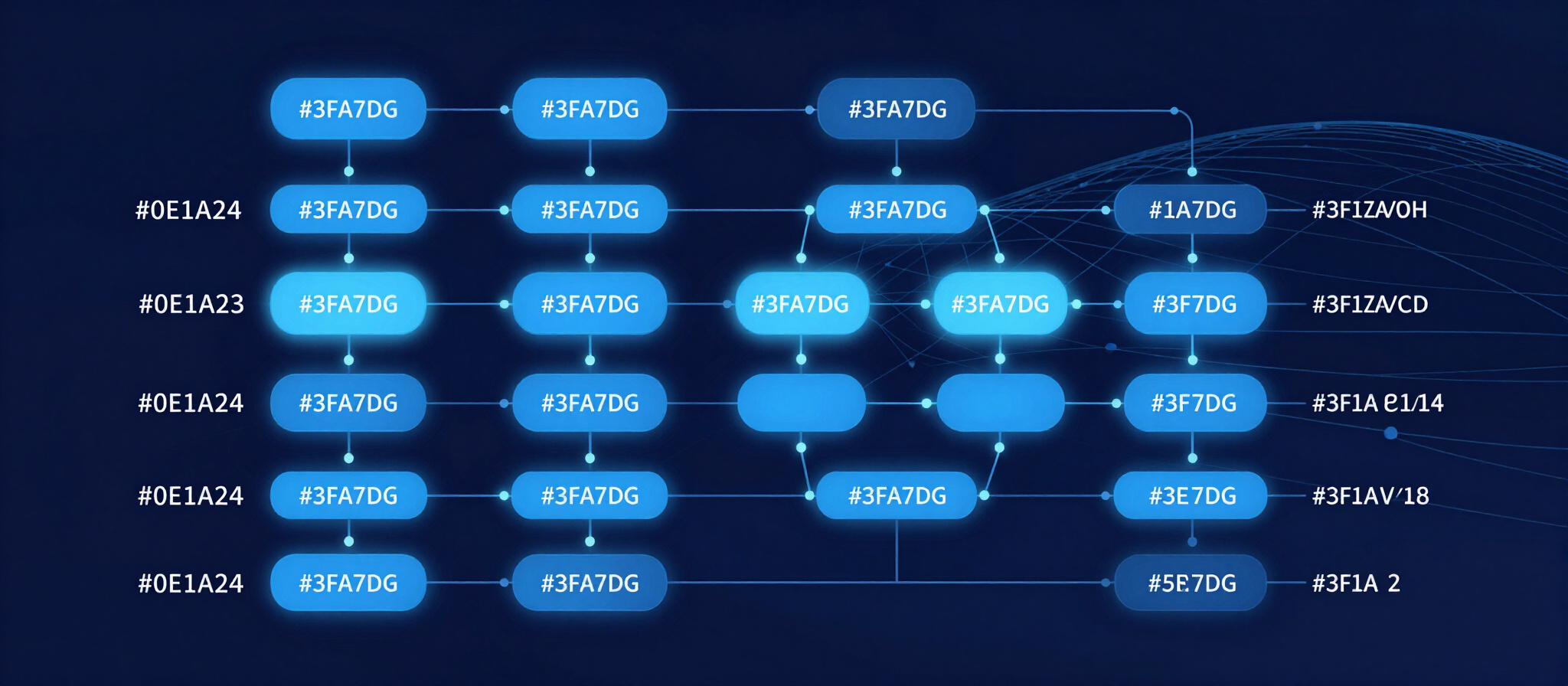
Stacking Logic & Pathway Coordination
Move past random additions. Learn the architectural principles of building coordinated signaling stacks.
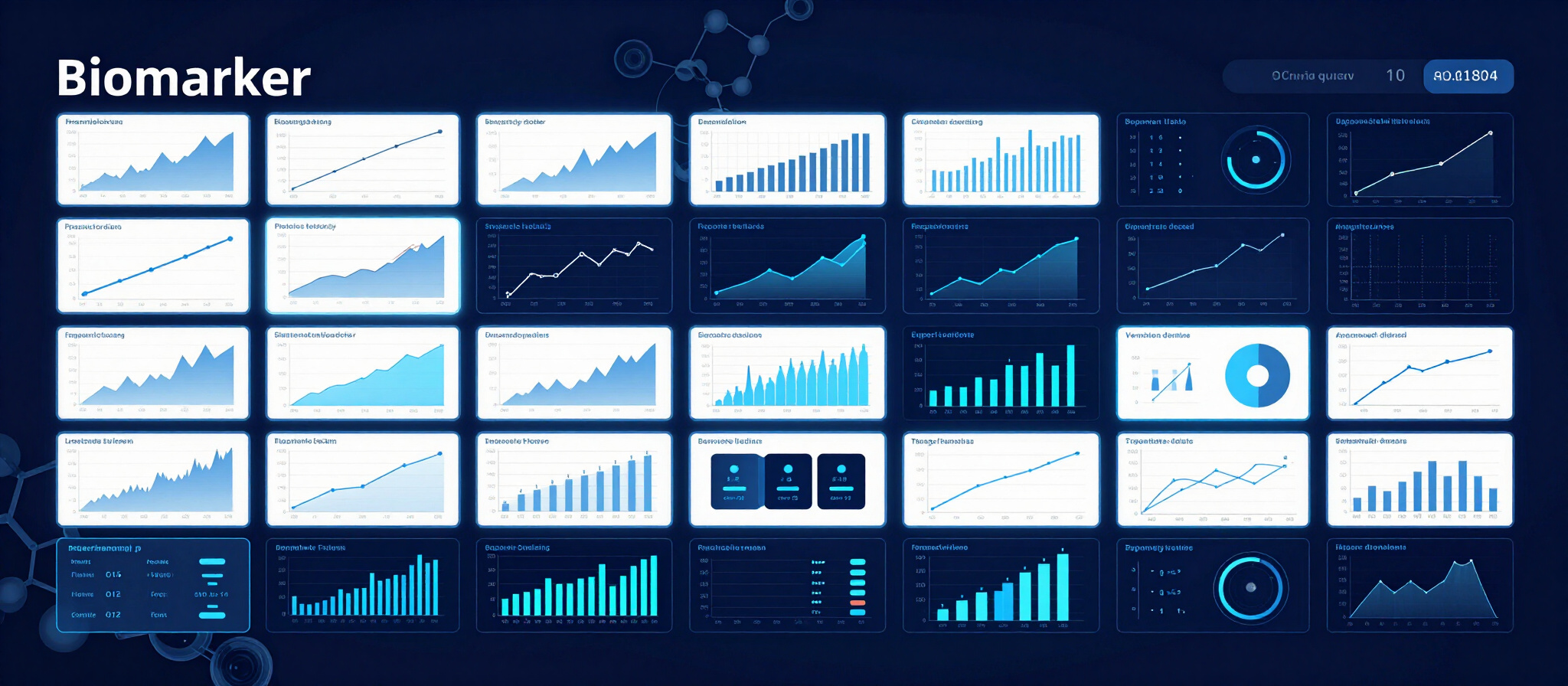
Cycle Design & Biomarkers
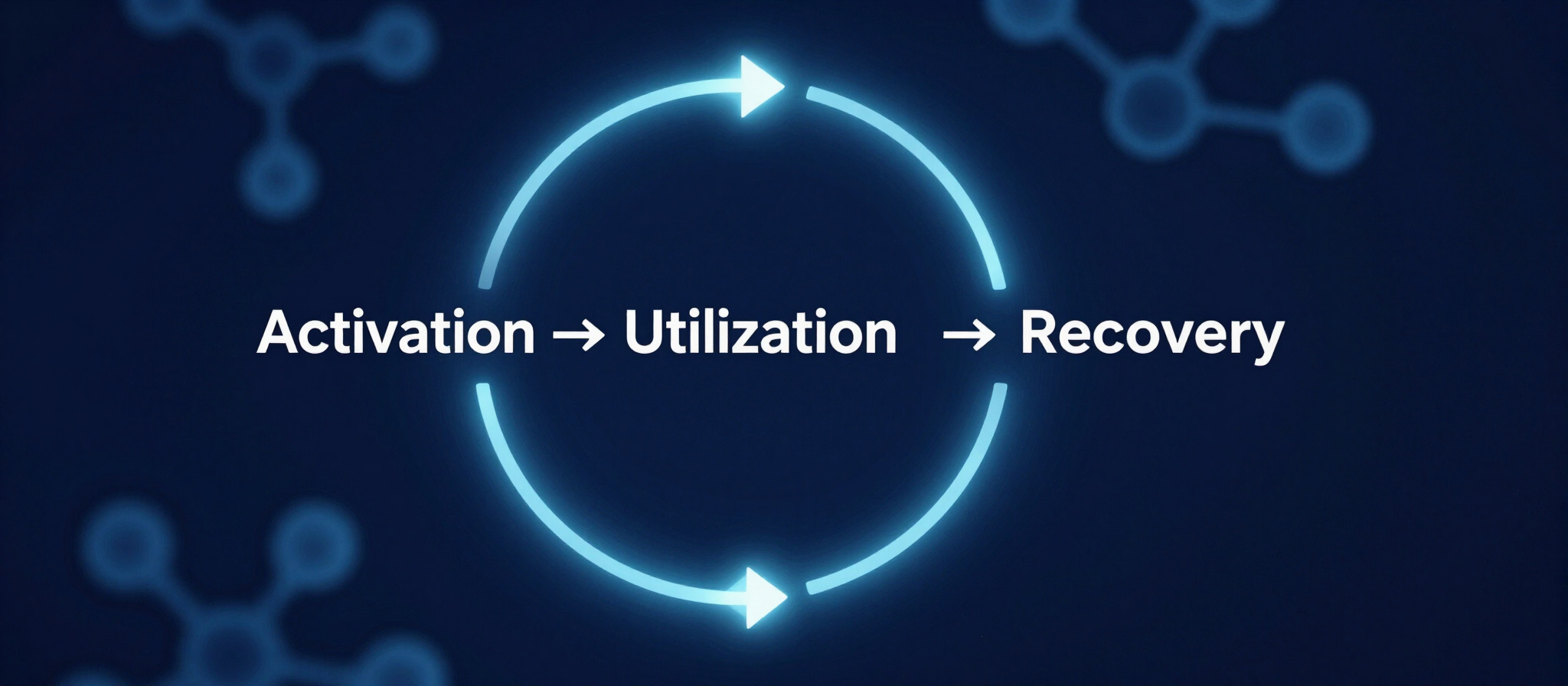
Master the (Activation → Utilization → Recovery) cycle while tracking biomarker response in real-time.
[ VISUAL PARAMETERS // SOURCE_PREVIEW ]
Inside the Atlas


Peptides are signals.
Signals only work if the system can respond.
Most approaches focus on adding more compounds to a broken signal chain. True optimization happens at the system level—ensuring receptor sensitivity, pathway availability, and biological readiness are synchronized before the signal is ever sent.
NuTide Paradigm
Educational use only. NuTide Paradigm © 2026