[ SIGNALING_PATHWAY: DSIP_001 ]
DSIP: Unlocking Peptides' Potential for the Body
Delta Sleep-Inducing Peptide (DSIP)
DSIP is often introduced with a name that sounds almost too neat—delta sleep-inducing peptide—as though its role begins and ends with helping the body sleep. But in the Targeted Peptide Systems framework, that interpretation is far too small. DSIP is better understood as a regulatory quieting signal—a peptide associated not simply with sleep itself, but with the body’s ability to transition from activation into restoration.
That distinction matters because sleep is not a passive event. It is not merely the absence of wakefulness. It is one of the body’s most complex and coordinated biological states, requiring successful communication between the nervous system, endocrine system, circadian timing networks, stress pathways, and metabolic recovery programs. A person does not truly rest because they are unconscious. They rest because the system receives permission to stop defending, stop scanning, and start rebuilding. DSIP becomes relevant precisely because it appears to sit near that threshold.
Originally isolated in association with sleep physiology, DSIP has been investigated for its relationship to sleep architecture, stress adaptation, neuroendocrine regulation, and recovery-state signaling. Over time, however, it has become increasingly clear that its significance may not lie in simply “causing sleep,” but in helping regulate the conditions under which restorative states become more accessible. That is a much more meaningful role in systems biology. The deepest biological regulators are rarely the ones that force a state. They are the ones that make a state possible. (pubmed.ncbi.nlm.nih.gov)
From a systems perspective, DSIP appears compelling because modern physiology is often dominated by persistent activation. The nervous system remains stimulated. Cortisol rhythm becomes flattened or mistimed. Recovery is shortened. Even when fatigue is present, genuine downshifting often is not. This creates one of the most common paradoxes in contemporary biology: a person can be exhausted, yet still unable to enter true restorative physiology. DSIP belongs to the category of compounds that appears relevant to this problem because it is not framed around stimulation, but around de-escalation with structure.
That is important. Many interventions can sedate. Far fewer help the organism move into a more coherent recovery pattern. In the language of Targeted Peptide Systems, this means the real question is not whether DSIP “makes you sleepy,” but whether it improves the quality of biological transition—the handoff from sympathetic load into parasympathetic restoration, from endocrine strain into repair, from fragmented signaling into organized recovery.
This is where DSIP becomes more interesting than its name suggests. Research and historical investigation have associated it not only with sleep, but also with stress modulation, altered pain perception, and neuroendocrine influence, including possible interactions with the hypothalamic–pituitary–adrenal axis. That gives DSIP a broader systems identity. It begins to look less like a “sleep peptide” and more like a state-regulation peptide—one that may influence how the body exits stress and enters restoration. (pubmed.ncbi.nlm.nih.gov)
That systems framing also helps explain why DSIP tends to attract interest in settings beyond insomnia or simple sleep support. If a peptide contributes to how the body organizes rest, then its implications may extend into recovery capacity, resilience, endocrine rhythm, cognitive restoration, and even training adaptation. Sleep is not an isolated event. It is one of the body’s central repair windows. A compound that potentially improves the quality of that window belongs to a much larger conversation than “better nights.”
At the same time, DSIP also represents a cautionary lesson in peptide science: biological intrigue does not equal clinical certainty. It has remained an enigmatic compound for decades, with promising observations, mechanistic speculation, and intermittent therapeutic interest—but without the kind of robust, modern human evidence base that would make its role fully settled. That means DSIP is best treated with intellectual honesty: not dismissed, but not mythologized either. It remains most appropriately framed as an investigational peptide with systems-level relevance, especially in the domains of sleep, stress adaptation, and restorative physiology.
Within Targeted Peptide Systems, DSIP earns its place because it reflects one of the book’s central truths: recovery is not simply what happens when stimulation stops. Recovery is a biologically organized state that must be signaled, protected, and sustained. DSIP appears meaningful because it may help the system remember how to enter that state.
And in a world full of activation, that kind of signal is not trivial.
It is foundational.
Research Citation
Monnier M, et al. Delta sleep-inducing peptide (DSIP): a still unresolved riddle. Journal of Sleep Research. 1998. (pubmed.ncbi.nlm.nih.gov)
.jpg)
The Signaling Intelligence of DSIP
DSIP (Delta Sleep-Inducing Peptide) is a naturally occurring nonapeptide first isolated in 1977 from the cerebral venous blood of rabbits in a sleep state. It represents a primitive yet sophisticated regulatory molecule that bridges the gap between neurological signaling and systemic stability, acting as an essential node in the body's complex communication network.
In the NuTide Paradigm, DSIP is viewed through the lens of metabolic intelligence. Primarily active within the thalamus and various limbic structures, it acts as a global modulator of the sleep-wake cycle and the hypothalamic-pituitary-adrenal (HPA) axis, helping the biological system maintain equilibrium and adaptive capacity under varying levels of environmental stress.
Rather than a traditional sedative, DSIP functions as a precision signaling agent. It prepares the biological architecture for restorative states by modulating neuronal excitability and antioxidant defense mechanisms, reinforcing the body's innate capacity for self-regulation and long-term neurocognitive resilience within our systems-biology framework.
Discover the power of Delta Sleep-Inducing Peptide (DSIP) and understand what do peptides do for the body. DSIP plays a crucial role in regulating sleep, stress, and recovery, enhancing overall well-being. Explore our comprehensive frameworks to learn how DSIP can optimize your body's restorative processes and promote lasting health benefits.

Systemic Research Parameters
Sleep Architecture
Research suggests DSIP modulates the transition into delta-wave sleep, potentially enhancing restorative phases without disrupting natural architecture. It acts as a signaling catalyst for deep recovery sequences.
Stress Axis Resilience
Studies indicate DSIP influences the HPA axis, supporting equilibrium under significant physiological stress. By modulating corticotropin levels, it fosters biological calm and adaptive resilience.
Autonomic Balance
DSIP is explored for its role in stabilizing autonomic coordination. It appears to assist in the rhythmic transition between sympathetic and parasympathetic states, promoting metabolic coherence.
Educational protocol only. This information is intended for educational and research purposes only and does not constitute medical advice, diagnosis, or treatment directions. Always consult with a qualified metabolic specialist before exploring advanced biological signaling frameworks.
Benefits & Biological Applications

Sleep Quality
- May support the optimization of delta-wave sleep architecture and depth.
- Is being explored for its potential role in systemic circadian rhythm alignment.
- May influence the modulation of restorative sleep-onset latency profiles.

Stress Resilience
- May assist in the balanced regulation of the HPA axis signaling pathways.
- Thought to influence physiological stability during periods of acute stress.
- Potential support for autonomic nervous system equilibrium and recovery.

Recovery & Adaptation
- May aid physiological adaptation to systemic stressors and physical demands.
- Is being studied for its potential role in accelerating cellular restoration.
- Support for homeostatic signaling and overall biological resilience.

Cognitive Performance
- May support mental clarity and focus through optimized rest-recovery cycles.
- Exploration of neuroadaptive signaling pathways for cognitive endurance.
- Potential impact on alertness via improved systems-level homeostasis.
[ PROTOCOL_SYNDROME_v.05 ]
Circadian Integration Protocol
Peptide signaling is fundamentally tied to biological rhythms. Our framework explores DSIP within a systems-biology context, focusing on its potential to support the body's natural transition into restorative states. Evening alignment protocols emphasize the synchronization of cellular signaling with the endogenous circadian clock, prioritizing metabolic state-shifting during low-light cycles to support autonomic balance and neuroadaptive recovery.
This content is for educational purposes only. NuTide Paradigm does not provide medical advice or dosing protocols. The exploration of signaling molecules should always be conducted in accordance with biological systems complexity and regulatory frameworks.
Consult with qualified healthcare professionals for biological supervision.
Related Signaling Modules
Expand your research into synergistic peptide stacks designed to characterize systemic signaling dynamics and optimize biological information flow.
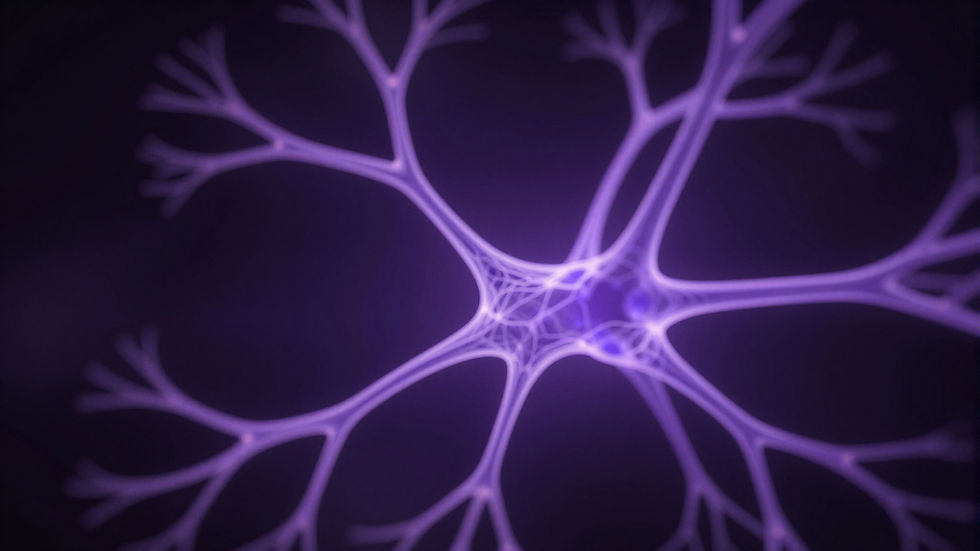


NuTide Paradigm serves as an educational framework for systemic biological intelligence. Our research mapping explores how DSIP and other regulatory molecules integrate into broader signaling ecosystems.
The conceptual frameworks presented are for exploratory, educational purposes in systems biology. NuTide research does not provide therapeutic guidance, medical claims, or treatment protocols. Always partner with a qualified medical professional for health-related decisions.
© 2026 NUTIDE PARADIGM. BIOLOGICAL SYSTEMS FRAMEWORK. CORE_SYNT_v9.06.