[ SIGNAL_FRAGMENT // AOD-9604 ]
AOD-9604
A specific peptide chain derived from human growth hormone designed solely for metabolic optimization. AOD-9604 serves as a advanced benchmark for fat-regulatory science, created to stimulate lipolytic pathways without altering blood sugar levels or disrupting insulin sensitivity.

AOD-9604 (Anti-Obesity Drug Fragment 9604)
AOD-9604 (Anti-Obesity Drug Fragment 9604) is often spoken about as though it were simply a “fat-loss peptide,” but that description is far too narrow to capture what makes it interesting. In the Targeted Peptide Systems framework, AOD-9604 is better understood as a lipid-mobilization fragment—a targeted signaling peptide derived from growth hormone biology, positioned not to create generalized anabolism, but to influence how the body handles stored fat as an energetic resource.
That distinction matters because body composition is not simply a matter of “burning more fat.” Adipose tissue is not inert storage. It is an active endocrine organ, tightly woven into insulin signaling, inflammatory tone, mitochondrial demand, and nutrient sensing. The body does not release stored energy just because someone wants it to. It releases it when the signaling environment permits mobilization without perceiving threat. AOD-9604 becomes relevant precisely because it appears to interact with that environment at a more specific level than many people assume.
AOD-9604 is a modified peptide fragment corresponding to the 176–191 region of human growth hormone, a region studied for its relationship to lipid metabolism rather than the broader anabolic and growth-promoting effects typically associated with full growth hormone. This is important. In practical systems terms, AOD-9604 is not simply “mini GH.” It is an attempt to isolate one part of the growth hormone signaling conversation—specifically the portion thought to influence lipolysis and inhibition of lipogenesis—while minimizing the broader endocrine footprint of the parent hormone. (pubmed.ncbi.nlm.nih.gov)
From a systems perspective, this makes AOD-9604 especially interesting because it reflects a recurring principle in precision peptide science: the most useful interventions are often not those that amplify everything, but those that selectively bias one part of a larger biological program. Full growth hormone participates in tissue repair, metabolic regulation, fluid balance, insulin dynamics, and anabolic signaling. AOD-9604 appears to extract a narrower message from that broader system—one related more specifically to fat handling and energy partitioning.
That narrower role is what gives the peptide its conceptual appeal. Rather than acting like a stimulant or broad endocrine override, AOD-9604 has been investigated as a compound that may support fat mobilization and reduce the drive toward new fat accumulation, particularly in the context of excess adiposity. In preclinical and translational work, it has been associated with increased lipolysis and reduced lipogenesis, suggesting that its significance lies not in appetite suppression or brute-force energy expenditure, but in altering how adipose tissue behaves under the right conditions. (pubmed.ncbi.nlm.nih.gov)
This is where AOD-9604 fits naturally into the philosophy of Targeted Peptide Systems. The body does not change composition because one compound “melts fat.” It changes when stored energy becomes more available, metabolic demand becomes more coherent, and tissue signaling shifts away from conservation toward utilization. AOD-9604 appears meaningful because it may help improve that signaling bias.
At the same time, it is essential to frame it honestly. AOD-9604 is not a complete metabolic solution. It does not create insulin sensitivity, restore mitochondrial flexibility, build muscle-preserving mechanical demand, or correct the neuroendocrine drivers of overeating on its own.
Like many signaling compounds, its relevance depends heavily on the quality of the surrounding system. In a coherent environment—adequate protein, resistance training, stable sleep, controlled glucose dynamics, and caloric structure—it may act as a directional enhancer. In a disorganized environment, its impact is likely to be more limited.
This is one of the recurring truths of peptide biology: compounds do not create metabolic order from nothing. They shift probabilities within the system that already exists. AOD-9604 appears relevant because it may help bias the organism toward fat utilization over fat retention, but the broader metabolic architecture still determines how much that bias can matter.
Within Targeted Peptide Systems, AOD-9604 earns its place because it reflects a central principle of body-composition science: the body does not become leaner through force alone. It becomes leaner when the internal logic of storage begins to change. AOD-9604 appears interesting because it may help influence that logic without requiring the full endocrine footprint of growth hormone itself.
And in precision bioregulation, selective signaling is often where the most elegant interventions begin.
Research Citation
Ng FM, et al. The lipolytic and anti-lipogenic effects of a novel obesity drug, HGH fragment (AOD9604), in genetically-obese mice. Molecular and Cellular Endocrinology. 2000. (pubmed.ncbi.nlm.nih.gov)
[ PROTOCOL: AOD_9604 // STATUS: NOMINAL ]
Overview
AOD-9604 represents a synthetic version of the C-terminal region of human growth hormone (HGH 177-191). Diversifying from the full hormone structure, this specific sequence is isolated for its lipolytic properties. It works by triggering the natural metabolic responses of the pituitary gland, aiming specifically at the reduction of lipid deposits without causing the growth-related or glycemic shifts linked to full HGH use.
Within the NuTide framework, AOD-9604 is scrutinized for its precision in metabolic communication and structural tissue support. Scientific data demonstrates its dual-action capability: facilitating the mobilization of stored fat and inhibiting the synthesis of new adipose tissue from dietary intake. This focused mechanism establishes it as a vital tool for metabolic efficiency and longevity research where glucose regulation is critical.
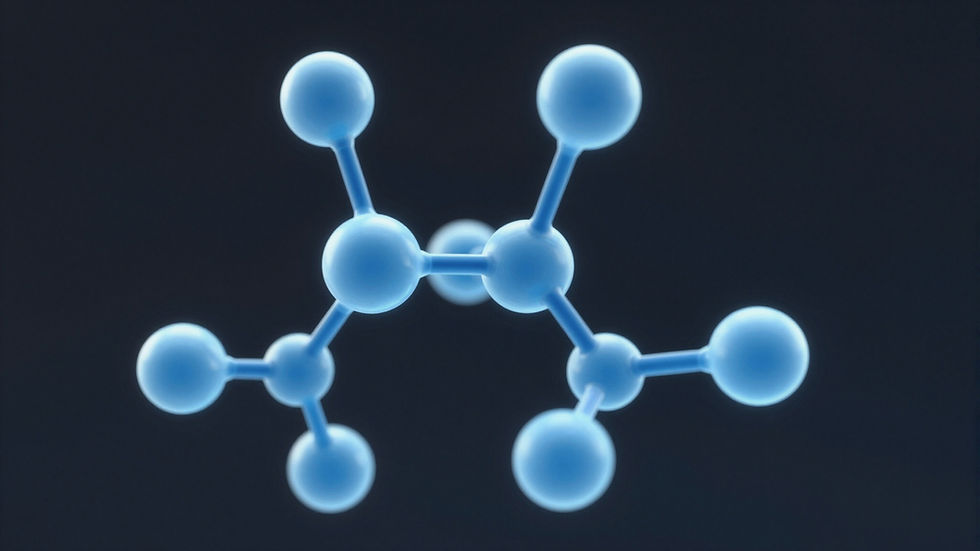
[ FIG. 02 // MOLECULAR_FRAGMENT_177-191 ]Targeted lipolytic signaling without IGF-1 modulation. System integrity verified.
[ BIO-DATA: ANALYSIS_02 // hGH_REF_177-191 ]
Scientific Backing & Molecular Strategy
AOD-9604 acts as a specialized lipolytic compound, designed to avoid the growth-inducing behaviors of human Growth Hormone while maintaining its potent metabolic characteristics. By isolating the 177-191 segment, AOD-9604 addresses the reduction of deep adipose tissue through a localized approach, maintaining high safety standards for laboratory research. The mechanism centers on stimulating beta-3 adrenergic receptors, which initiates the signal for cellular fat release without impacting insulin or requiring growth-factor pathways.

LIPID CATABOLISM
Selective activation of beta-3 adrenergic receptors for enhanced cellular fat burning.
GLYCEMIC NEUTRALITY
Molecular design ensures no negative interaction with blood glucose or insulin receptor sites.
REFERENCE: MODEL_v2.09 // FRAGMENT: 177-191
[ VERIFIED_STUDY_REF // SECTOR_02 ]
[ BENEFIT_MATRIX_v3.2 // OPTIMIZATION_VECTORS ]
Targeted Biological Advantages of AOD-9604
Accelerated Lipolysis
AOD-9604 initiates the release of lipids from stored adipose cells while hindering further fat development, specifically looking at persistent visceral and subcutaneous layers.
Tissue & Joint Support
Research indicates promising capability in the area of cellular restoration, specifically through the support of cartilage health and the reinforcement of connective structures.
Metabolic Intelligence
In contrast to full Growth Hormone, AOD-9604 provides a superior safety profile, bolstering metabolic function without negatively impacting insulin response or sugar levels.
[ PROTOCOL ID: 9604-USAGE ]
Reconstitution & Administration Guidelines
- 01. RECONSTITUTION: Combine Bacteriostatic Water with the peptide. Do not agitate; allow the solution to integrate slowly until transparent.02. STORAGE: Keep the solution in a temperature-controlled environment (2°C - 8°C) once prepared. 03. TIMING: Utilize during fasted states to optimize the lipolytic signaling. Research suggests pre-activity or nocturnal windows are most effective. 04. SITE SELECTION: Apply to adipose tissue. Use a varied rotation of application points to maintain localized tissue health.
OPTIMIZATION MATRIX
- ADMINISTRATION: Standard Frequency: Once DailyResearch Window: Extended Cycle durationStatus: RESEARCH_PROTOCOL_ACTIVE
*Parameters may fluctuate based on specific research objectives and biological markers. Follow lab standards.
[ RELATED_SYSTEMS // PROTOCOL_INDEX ]
NuTide Research Modules


[ End of Research Sync: Related Resource Block ]
Informational purposes only. NuTide Paradigm does not provide medical advice. Consult with primary biological systems before beginning experimental signaling protocols.
© 2026 NuTide Paradigm. All biological systems synchronized.
Protocol Index
Data Privacy
Terms of System